


Key messages
- Nausea is a common and distressing symptom in palliative care, affecting up to 62% of patients with advanced cancer and significant numbers of those with other life-limiting conditions.
- The causes of nausea in palliative care are often multifactorial, including disease progression, treatment side effects, and psychological factors such as anxiety.
- Effective assessment of nausea requires a thorough approach, involving patient history, physical examination, and the use of tools like the Edmonton Symptom Assessment System (ESAS).
- Non-pharmacological treatments, such as acupuncture, acupressure, and dietary modifications, are valuable complementary strategies for managing nausea in palliative care. Involvement of allied health to include spiritual care, and music therapy may assist with management of nausea that is exacerbated by anxiety.
- Education and support for families and carers are essential to managing nausea in palliative care, ensuring they are equipped to administer treatments and provide emotional support.
Definition and prevalence
Nausea, typically described as an unpleasant sensation that often precedes vomiting, is a common symptom in palliative care affecting a significant proportion of patients with advanced illnesses. [1] Studies suggest that nausea occurs in approximately 50-62% of patients with advanced cancer, making it one of the most prevalent symptoms in this population. [1] Similarly, nausea is also commonly reported in patients with other life-limiting conditions such as heart failure, chronic obstructive pulmonary disease (COPD), and renal failure, although prevalence rates in these groups vary. [2]
The causes of nausea in palliative care are often multifactorial, with possible contributors including disease progression, side effects from treatments (such as opioids and chemotherapy), and psychological factors like anxiety or anticipatory nausea. [1,3] This symptom’s prevalence underscores the need for regular assessment and tailored management strategies to alleviate its impact on patients’ quality of life in palliative care settings. [4]
Assessment
Assessing nausea in palliative care requires a thorough and systematic approach due to the multifactorial nature of the symptom. The assessment process involves identifying the underlying causes, evaluating the severity, and monitoring the effectiveness of interventions. [1] A detailed patient history is essential, focusing on factors such as recent medication changes, the onset and duration of nausea, associated symptoms like vomiting or anorexia, and potential triggers. [2] This history should also include a review of any psychological factors, such as anxiety or depression, which might exacerbate nausea.
The physical examination should focus on identifying signs of dehydration, abdominal distension, or other indicators of gastrointestinal dysfunction. [3] In some cases, further diagnostic tests may be necessary to rule out specific causes, such as bowel obstruction or metabolic imbalances. [1] For example, electrolyte levels, renal function tests, and imaging studies such as abdominal X-rays or ultrasounds can provide valuable information about the underlying causes of nausea. [2] It is also essential to identify reversible causes of nausea, such as medication side effects or constipation, and consider treatment options in conjunction with the patient’s goals of care. [2] This ensures that any interventions align with their preferences and broader care objectives.
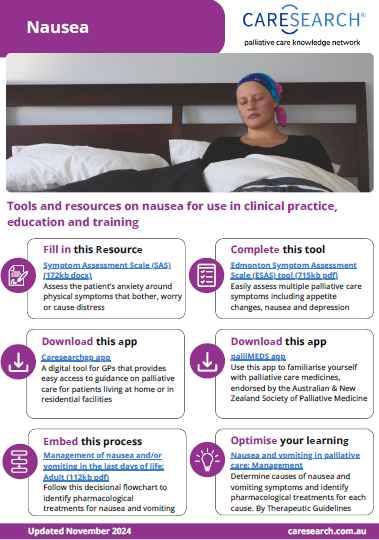
Quantifying the severity of nausea is also important for guiding treatment. In Australia, the Symptom Assessment Scale (SAS), part of the Palliative Care Outcomes Collaboration (PCOC), is commonly employed to measure the intensity of nausea. The SAS allows patients to rate their symptoms on a 0-10 scale, providing health professionals with valuable insights for treatment decisions. Regular reassessment is necessary to monitor the effectiveness of interventions and make timely adjustments to the treatment plan. [3]
Non-pharmacological treatment
Non-pharmacological treatments for nausea in palliative care are important complementary strategies, especially when pharmacological options are limited due to potential side effects or patient preferences. These approaches can help manage nausea by addressing underlying factors, providing symptom relief, and improving overall patient comfort. [4]
Dietary modifications can play a role in managing nausea. For example, small, frequent meals that are low in fat and easy to digest may help reduce nausea. Caregivers can assist in preparing these meals and ensuring they are served in a way that minimises strong odours, which can trigger or exacerbate symptoms. [1] Additionally, maintaining good oral hygiene and using ginger in various forms (such as tea, capsules, or lozenges) have been reported to provide relief from nausea for some patients. These can be easily administered by the patient or with the help of caregivers. [1]
Acupuncture and acupressure have been explored for nausea management in palliative care. These techniques involve stimulating specific points on the body, such as the P6 acupoint on the wrist, which is believed to alleviate nausea and vomiting. [2] Acupuncture is typically administered by trained practitioners, while acupressure can be performed by caregivers or patients themselves after proper instruction. Although evidence from clinical trials is mixed, some patients experience relief, and these methods are generally well-tolerated and low cost, making them worth considering as part of a holistic approach to symptom management. [1]
Psychosocial interventions, including relaxation techniques, guided imagery, and cognitive-behavioural therapy (CBT), can be effective in managing nausea, particularly when anxiety or anticipatory nausea is involved. [2] These techniques are usually administered by a healthcare professional, such as a psychologist or trained therapist, but can also be practiced independently by patients after proper instruction. They help patients manage the psychological aspects of nausea, providing a sense of control over their symptoms. [1]
Pharmacological treatment
While in theory, the choice of antiemetic for managing nausea in palliative care would be based on the suspected underlying cause, in practice, nausea often has mixed aetiology, and antiemetic drugs act on multiple neurotransmitter systems. Consequently, the approach to pharmacological treatment is frequently empirical, with dopamine antagonists typically being the first-line treatment before escalating to other drug classes if symptoms persist. [5]
Metoclopramide, a dopamine antagonist with prokinetic properties, is frequently used for nausea related to gastrointestinal stasis or delayed gastric emptying. This medication is typically administered orally, intravenously or sub-cutaneous and can effectively facilitate gastric emptying, reducing nausea. Consideration should be given to the risk of extrapyramidal side effects, particularly in elderly patients or with prolonged use. [1,2,4] Metoclopramide can be given orally or subcutaneously and is low cost.
Domperidone is a dopamine receptor antagonist with limited penetration of the blood-brain barrier, which reduces the risk of extrapyramidal side effects, making it particularly beneficial in the palliative care setting. Its prokinetic properties are useful for managing nausea related to gastrointestinal motility disorders, especially in patients where other dopamine antagonists, such as metoclopramide, are contraindicated, including those with Parkinson’s disease. [2,6]While domperidone is generally well tolerated in palliative care patients, monitoring for cardiac side effects, though less of a concern in this population, should still be considered, particularly with prolonged use. [2]
Haloperidol, another potent dopamine antagonist, is widely used in palliative care for managing nausea associated with chemical causes triggered by medication use, such as opioid-induced nausea. Haloperidol is available in various forms, including oral, intravenous and subcutaneous administration, making it versatile. The doses required for management of nausea in palliative care are low. Despite its effectiveness, the potential for sedation and extrapyramidal symptoms requires careful dosing and monitoring. [1,3,4]
Olanzapine, an atypical antipsychotic, has gained prominence due to its dopamine antagonism and action on multiple neurotransmitter receptors. This makes it particularly effective for nausea with multifactorial origins, such as in palliative care patients with complex conditions. However, the use of olanzapine requires careful monitoring due to potential side effects like sedation and metabolic disturbances, especially in frail or elderly patients. [1-3] Olanzapine is available in oral or sublingual forms. Use parenterally can be expensive and access can be challenging.
5-HT3 antagonists like ondansetron are commonly prescribed for nausea induced by chemotherapy or radiotherapy. Ondansetron works by blocking serotonin receptors in both the gastrointestinal tract and central nervous system, making it a key treatment for nausea in these contexts. It is available in oral, intravenous, and sublingual forms, providing flexibility in administration. While ondansetron is generally well-tolerated, side effects such as constipation and a mild risk of QT interval prolongation should be monitored, particularly in susceptible patients and make it less commonly chosen for use in palliative care. [1,2]
Cyclizine, an antihistamine, is another widely used antiemetic, particularly effective for nausea related to vestibular causes or raised intracranial pressure. Cyclizine blocks histamine and acetylcholine receptors in the vomiting centre of the brain and can be administered orally or via injection. Its common side effects, such as drowsiness and dry mouth, are generally manageable, but they need to be considered, especially in patients with other comorbidities. [1,2,4]
Dexamethasone, a corticosteroid, is commonly used in palliative care to manage nausea associated with raised intracranial pressure, which can result from brain metastases, tumours, or other intracranial conditions. By reducing cerebral oedema, dexamethasone helps to relieve the pressure on the brain, thereby alleviating associated symptoms such as nausea, headaches, and vomiting. [6] It can be administered orally or intravenously and is often an essential part of the management plan for patients with raised intracranial pressure. [7] However, long-term use of dexamethasone requires careful monitoring due to potential side effects such as hyperglycaemia, immunosuppression, and muscle weakness. [6]
Benzodiazepines, such as lorazepam, are commonly used to manage anticipatory nausea, which occurs when patients experience nausea in response to psychological triggers, such as anxiety related to treatment. [7] This is particularly common in patients undergoing chemotherapy or those with anxiety disorders. Benzodiazepines help by calming the central nervous system and reducing anxiety, which in turn can prevent the onset of nausea. [6] These medications are typically used as an adjunct to other antiemetics, and their sedative properties must be carefully managed, especially in frail or elderly patients. [6]
Equity and access
Access to effective nausea management in palliative care is significantly influenced by social determinants of health, including geographic location, socioeconomic status, and cultural background. Patients in rural and remote areas often face substantial barriers to accessing specialised palliative care services, which can include timely consultations with palliative care specialists and the availability of advanced antiemetic therapies. [8] These geographic disparities can lead to delays in the initiation of appropriate nausea management, exacerbating patient discomfort and reducing the overall quality of care. [6]
Socioeconomic status also plays a critical role in determining access to nausea treatments. Patients from lower socioeconomic backgrounds may experience difficulties in attending regular follow-up appointments or accessing healthcare facilities that offer comprehensive palliative care services. [9] Many antiemetics used in palliative care are prescribed outside the pharmaceutical benefit scheme and therefore result in additional costs to patients. These financial barriers can lead to suboptimal management of nausea, with patients potentially relying on less effective over-the-counter remedies or delaying care altogether. Additionally, patients with limited healthcare literacy may struggle to understand their treatment options for nausea, further complicating access to effective management strategies. [10]
Cultural factors also significantly impact the management of nausea in palliative care. For culturally and linguistically diverse (CALD) populations, there may be differing beliefs about the causes of nausea and the appropriateness of certain treatments. [11] For instance, some patients may prefer traditional therapies or may be hesitant to use certain medications due to cultural or spiritual beliefs. These preferences must be respected and integrated into the care plan, yet they may also pose challenges in ensuring that patients receive the most effective treatments available. [10] Healthcare providers must be culturally sensitive and work closely with patients and their families to ensure that nausea management strategies are both effective and aligned with the patients’ values and beliefs.
Care context
In palliative care, the approach to managing nausea must be adapted to the specific needs of different patient populations, including those with cancer, non-cancer conditions, paediatric patients, and older adults in aged care.
For cancer patients, nausea is frequently driven by both the malignancy itself and treatments like chemotherapy. These patients often require a combination of pharmacological treatments, such as 5-HT3 antagonists for chemotherapy-induced nausea, and supportive care measures, including hydration and dietary adjustments. [1,2] The approach is typically proactive, with antiemetics administered preventatively to mitigate nausea before it becomes severe, especially in patients undergoing intensive treatment regimens. [3]
In non-cancer conditions, such as heart failure or chronic kidney disease, the causes of nausea are often related to metabolic imbalances or medication side effects, rather than the disease itself. [4] For these patients, the focus is on correcting underlying issues – such as adjusting diuretic therapy in heart failure or managing uraemia in renal disease – while carefully selecting antiemetics to avoid exacerbating other symptoms. These interventions often require close collaboration between palliative care and other specialist teams to address the multifactorial nature of nausea in these populations. [1]
Paediatric patients in palliative care present unique challenges, as they may not always be able to communicate their symptoms clearly. Treatment in this group often includes a combination of carefully chosen antiemetics that are appropriate for children, along with non-pharmacological interventions like distraction techniques or modified feeding practices to reduce nausea. [1] Paediatric care also emphasises the involvement of the family in both assessment and management, ensuring that the child’s comfort is prioritised in a developmentally appropriate manner. [2]
In the care of older adults in aged care settings, the management of nausea is further complicated by polypharmacy and the presence of multiple comorbidities, including cognitive impairments like dementia. [8] Older adults are more susceptible to the side effects of antiemetics, such as sedation and confusion. This means it is preferable to consider non-pharmacological approaches first, then use the lowest effective doses and, such as creating a calming environment or modifying diet to avoid nausea triggers. [1] Regular monitoring is critical, as these patients may not always report symptoms clearly, requiring caregivers to be particularly observant of changes in behaviour or appetite that might indicate nausea. [2]
Implications for families and carers
Managing nausea in palliative care has important implications for families and carers, who often play an important role in the day-to-day care of patients. Nausea can be distressing not only for the patient but also for those providing care, as it can signal worsening of the patient’s condition and add to the emotional and physical burden on carers. [7] Carers may experience anxiety and stress, particularly when they feel ill-equipped to manage the symptoms effectively, highlighting the need for adequate support and education from healthcare providers. [4]
Education is also key in helping families and carers understand the causes and management options for nausea. Providing carers with information about non-pharmacological strategies, such as dietary modifications or environmental changes, can empower them to take an active role in managing the patient’s nausea. [1] Healthcare providers can support carers by offering clear instructions on how to administer antiemetic medications, what signs to watch for that might indicate a worsening condition, and when to seek further medical help. [2]
The psychological impact on families and carers should not be overlooked. Witnessing a loved one suffer from nausea can be distressing, and carers may feel helpless or overwhelmed, particularly if nausea is persistent or difficult to control. Healthcare providers can play a vital role in offering emotional support and connecting carers with resources such as counselling or respite care to alleviate some of the burden. [7] Involving carers in care planning and decision-making can help them feel more in control and better equipped to support the patient, ultimately contributing to better outcomes for both the patient and their carers. [4]
Useful nausea resources
Last updated 28 September 2026